





In 2025 travel is shifting from checklist tourism to experiences that reshape our relationship with time and place.
Noctourism — exploring cities, wildlands and cultural sites after dark — is booming: travelers chase starlit skies, moonlit hikes and museums open to new rhythms, seeking quieter, deeper encounters away from daylight crowds.
Parallel to this, Forest bathing and immersion in natural soundscapes have moved from wellness trend to travel imperative: people deliberately slow down, entering ecosystems to restore attention, reduce stress and reconnect with nonhuman life.
Together these trends dissolve familiar boundaries — between day and night, leisure and ritual, visitor and habitat — and invite a travel that privileges presence, seasonal attunement and ecological respect.
Curated by Land to Land

‘Forest Bathing’, ‘Noctourism’: a new alternative travel trends taking off this year—travelers want ‘more authentic and less touristy,’ expert says.
Words: Celia Fernandez | Source: CNBC
There’s still a bit of summer left, and if you’re looking for a getaway that isn’t your typical beach trip or camping, you might want to consider a ‘detour destination’ or a ‘mystery vacation.’
“I see travelers requesting to go to places that are more authentic and less touristy. They are tired of the crowded tourist spots and prefer a more authentic connection“
More and more, travelers are opting for alternative ways of exploring new places and locales that are off the beaten path or sometimes just slightly off. Some even consider these unlikely adventures to be the only way to travel these days.

“I see travelers requesting to go to places that are more authentic and less touristy. They are tired of the crowded tourist spots and prefer a more authentic connection,” Chirag Panchal, founder of luxury travel agency Ensuite Collection and American Society of Travel Advisors member, tells CNBC Make It.

Nocturism.
Nocturnal tourism, also known as night tourism, is a travel trend that focuses on experiences that take place at night.
Booking.com had noctourism in its 2025 forecast and noted 54% of travelers surveyed planned their nighttime activities to avoid daytime temperatures. Some of the most well-known noctourism activities include starbathing, constellation tracking, and once-in-a-lifetime cosmic events.
“54% of travelers surveyed planned their nighttime activities to avoid daytime temperatures.”
Some of the experiences travelers are increasingly looking to take part in include nighttime safaris. Luxury tour operator Wayfairer Travel reports a 35% rise in demand for night safaris in Africa last year compared to 2023, according to National Geographic.
Wayfairer CEO Jason Stevens said that another popular noctourism opportunity is after-dark city and architecture tours. For example, the luxury tour operator noted that 67% of visitors to Tokyo in 2024 were interested in booking nighttime experiences.
“Instagram has been a huge driver of this in my opinion, because users see images of neon signs in Shinjuku’s Kabukicho or tiny izakayas [bars] in Omoide Yokocho and want to experience it,” Stevens told National Geographic.
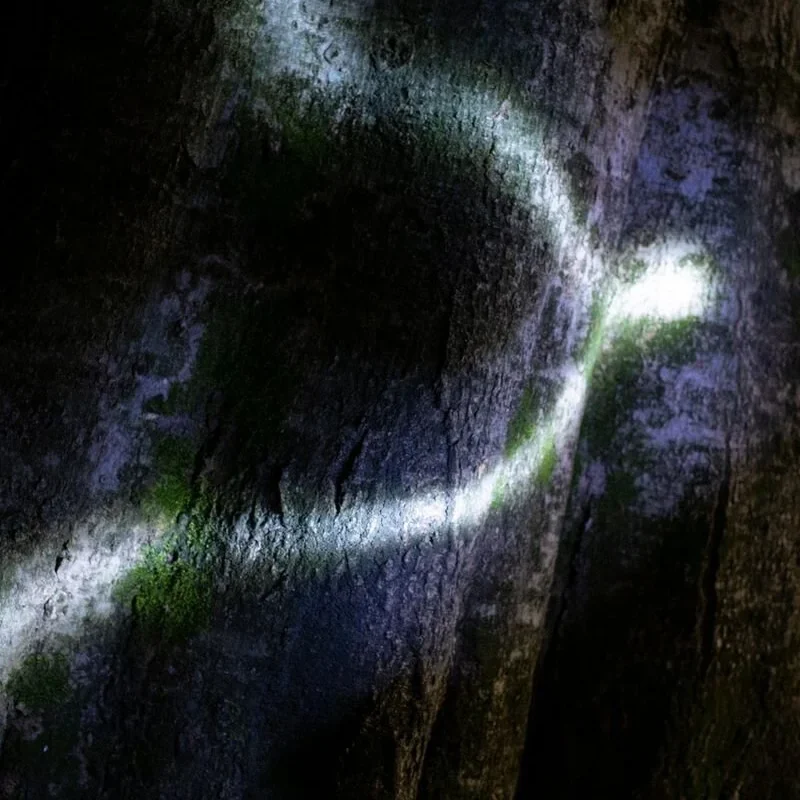
Forest Bathing
Forest bathing, or shinrin-yoku in Japanese, is the practice of immersing oneself in nature.
“It’s slowing down. It’s connecting to nature with all your senses. It’s just being in a natural setting and being present,” says Mark Ellison, a certified forest therapy guide and trail consultant, and founder of Pinnacle Forest Therapy.
“It’s slowing down. It’s connecting to nature with all your senses. It’s just being in a natural setting and being present”
“The key things are to find a place where you can spend some time uninterrupted, and then notice the things that are around you.”
Forest bathing can be done alone or with a guide, such as Ellison. He helped found the first certified forest therapy trail in North Carolina at Pinnacle Park. The trails Ellison leads usually last about an hour and a half and involve minimal talking to prioritize periods of reflection and meditation.