


An artistic story by Marta Syrko interviewed by Sara Schifano.
Bodies shift between visibility and distortion, revealing tensions among perception, vulnerability, and experience.
TIn Marta Syrko’s work, the body is never fixed – it shifts, fractures, and redefines itself through perception and circumstance. Born in Lviv in 1995, the Ukrainian photographer moves between classical references and a tactile, studio-based approach to image-making. From her early Underwater series to her recent reflections on post-war realities, Syrko approaches photography as a process of uncovering rather than illustrating. In this conversation, she reflects on intuition, vulnerability, and what it means to truly see.
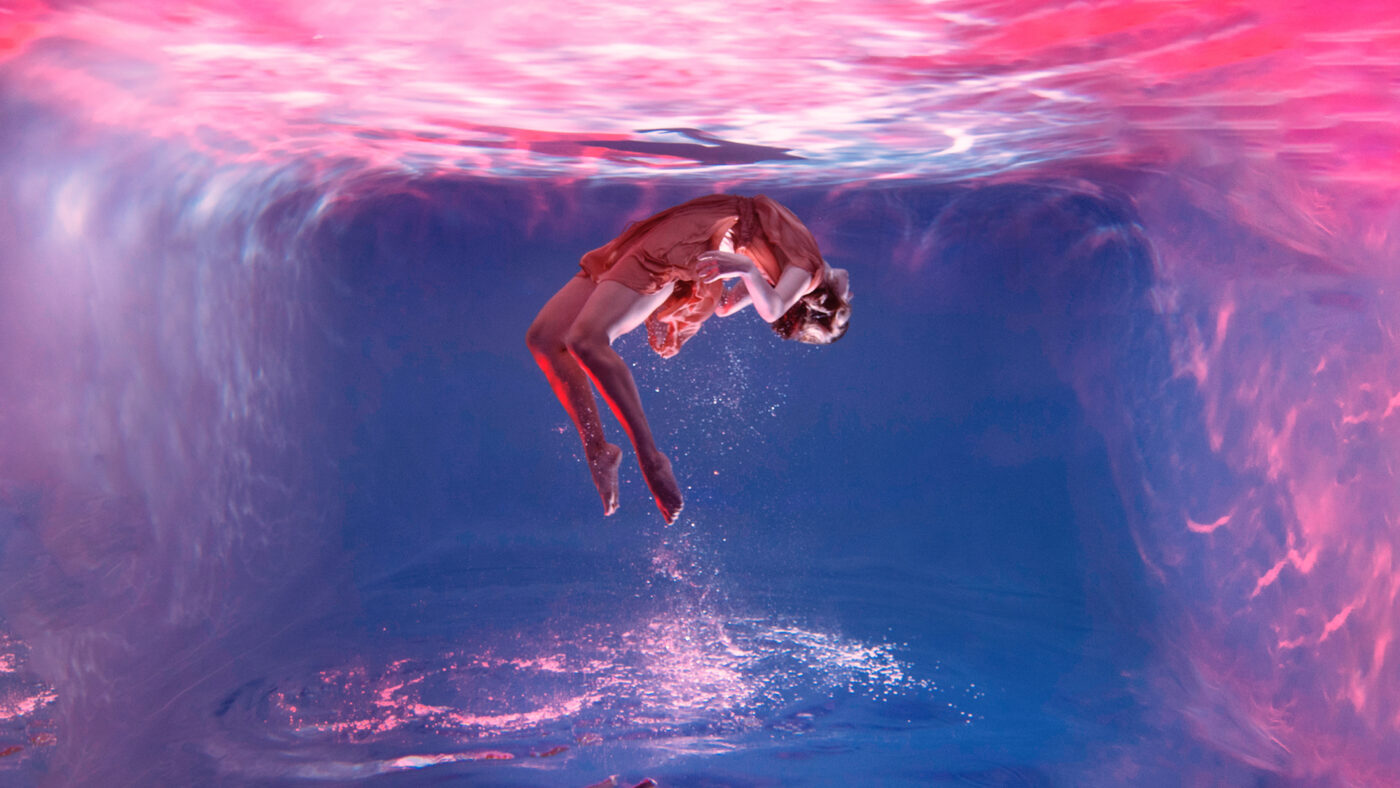
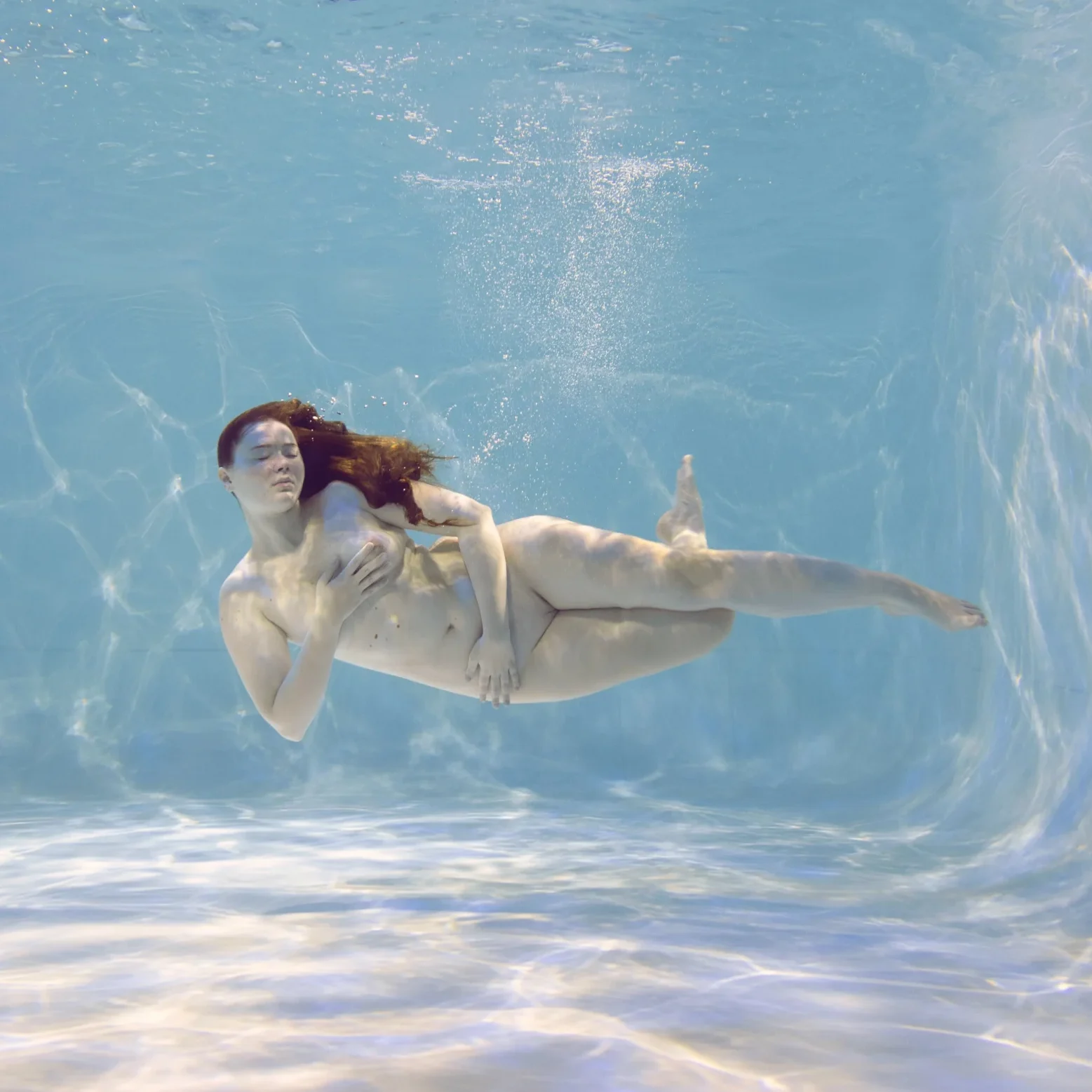
Your series “Underwater” explores what lies beneath the surface – both literally and metaphorically. Can you tell us about the genesis of this project and what drew you to water as a medium for uncovering hidden narratives?
The Underwater series was actually the very beginning of my artistic practice. At that time, I was simply fascinated by how water changes what we see. But very quickly I understood that it’s not just a visual effect. It reveals something deeper, that reality is never fixed. Water distorts, softens, hides, but at the same time it exposes. It creates a space where the body becomes unstable, and through that instability something more honest appears. For me, it was the first step in understanding that there is no single truth, only different ways of seeing.
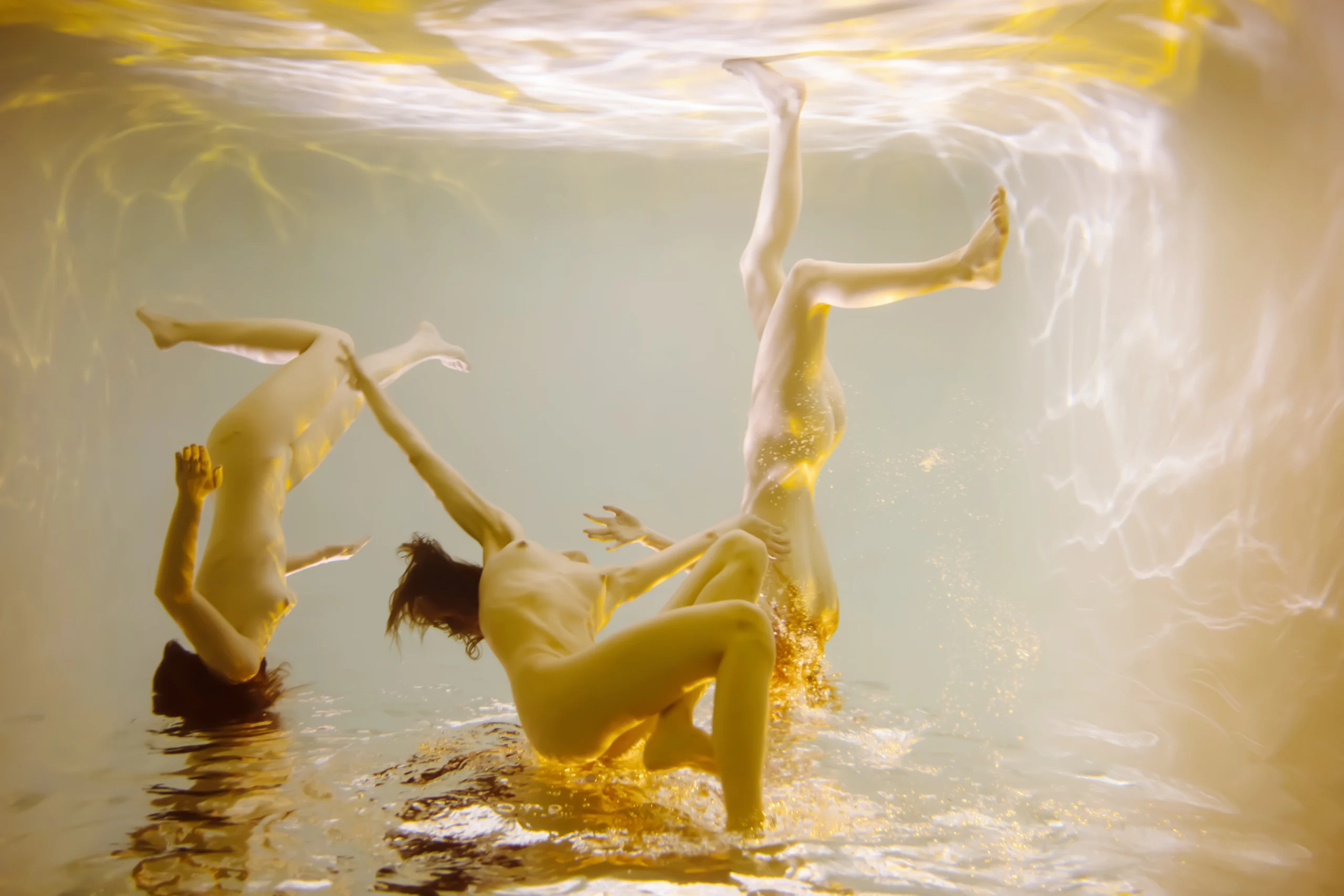
The submerged world reveals details and textures that remain invisible to casual observation. How does this visual approach relate to your broader artistic philosophy about discovering value in what we don’t immediately see?
I’ve always been interested in what is not immediately visible. We tend to trust the surface too much, but the surface is often misleading. Through water, details emerge that you wouldn’t notice otherwise, tensions, textures, small shifts. It’s similar to how I approach people. I try to look beyond what is obvious, to find something more subtle and more real.
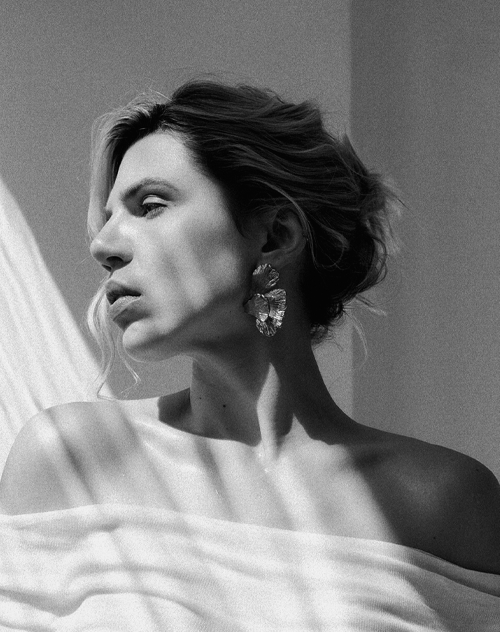
“What others consider different was always part of my everyday life.”
Marta Syrko
There’s something deeply personal in the way you approach your work. Can you share a formative moment in your artistic journey that shaped your desire to reveal what’s hidden or overlooked?
It comes from how I grew up. My grandfather was blind, and I lived with him in a building where many people had disabilities. So for me, what others consider “different” was always part of everyday life.He was actually the one who gave me my first camera, even though he never saw any of my images, he really believed in me. That stayed with me.Because of this environment, I was always drawn to bodies and experiences that don’t fit into standard definitions. For me, that’s where reality feels more honest.
Your practice seems to invite viewers into intimate, often quiet spaces. How do you create that sense of trust and vulnerability within your images, and what do you hope people experience when they encounter your work?
Trust comes from time and presence. I don’t treat the person in front of the camera as a subject — it’s always a dialogue. I spend time talking, listening, understanding their story, sometimes long before I even take the camera. This time is essential, because without it there is no real connection. The image is just the final trace of that process. I want people to feel closeness. A quiet moment where they are not just looking, but actually seeing.
You are from Ukraine, and you’ve spoken about how life must continue and find meaning even in difficult circumstances such as war. How does this philosophy manifest in your artistic choices?
For me, continuing to live and create during war is already a statement. War changes everything, but it also reveals what matters.
I don’t try to illustrate war directly. I work more with its consequences – especially through the body. In my images there is always a tension between fragility and strength. That tension comes from reality.
“War changes everything, but it also reveals what matters.”
Ukraine has become suddenly visible on the global stage, yet many people still don’t fully understand the complexity of its society and history. How does your work attempt to bridge this gap?
Visibility is not the same as understanding. Ukraine is visible now, but often through very simplified narratives – mostly about fighting and weapons.
For me, it’s important to show something deeper. My work focuses on people, on psychological and social realities – especially what comes after. For example, the gap between veterans and society, or how people with injuries try to reintegrate and feel accepted again.
There are many artists and photographers, people from media, who are working to share the story of Ukraine with the world – in a way, this is also a kind of cultural resistance. My role is to speak about humanity, about what is happening inside people, not just around them. I think they are building a new mindset – culturally and socially – but it comes with a very high cost.
“Recognize something they didn’t notice before.”

Many artists work reactively, responding to external events. How intentional is your artistic practice?
My practice is intuitive, but it is connected to reality. I don’t start with a fixed idea – I discover it while working.
For example, before the war I was photographing dancers and athletes, exploring the body and how it can change. When the war started, I saw bodies in a completely different way – injured, different, but still human. I didn’t plan this shift. It came from experience. So for me, intuition is not separate from what is happening – it’s a way of understanding it.
There’s a tension in your work between documentation and poetry, between what’s real and what’s suggested. How do you navigate that balance?
I’m not interested in pure documentation, but I also don’t want to escape reality.
That tension, between what is real and what is suggested, is where the image becomes alive. It allows space for interpretation, and for the viewer to enter the work.
What do you want people to understand about the world – or themselves – after experiencing your work?
I don’t want to give answers. I want people to slow down and question what they see. To look again. Maybe to recognize something in themselves, something they didn’t notice before. For me, the most important thing is not what people understand, but what they begin to feel.
Credits: @MartaSyrko @sarinsaret @frenchman.gallery