




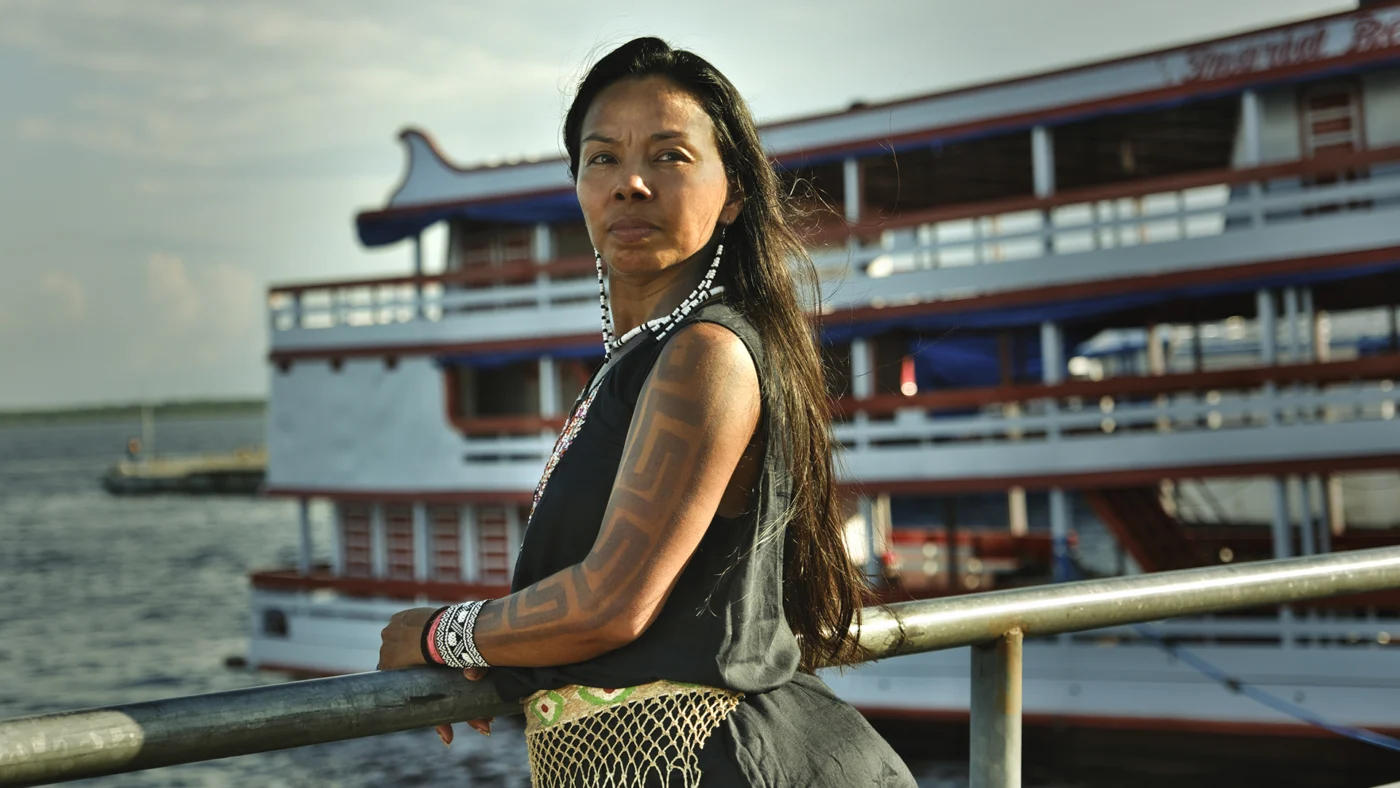
A journey through floating communities and shifting landscapes, shaped by constant transformation.
A story behind the documentary by Inês Von Bonhorst & Yuri Pirondi
TravellingTwo: You’ve spent nearly 50 years traveling by bicycle. Has the way you It was 2011 when we decided to embark on our first feature-length documentary. We came from fine art and experimental video, while also taking on any work to survive in London. At the time, we were frustrated with the cultural flattening of galleries and artists, who often seemed more concerned with reinforcing their egos than engaging with the world outside.
From that frustration, we decided to make a documentary about political and social theatre in South America, naively hoping that somewhere there might still be a return to “angry” and urgent art in Europe.
“Tierra Firme” was shot with no money across Colombia, Bolivia, and Brazil, passing through Peru and Ecuador over six months. We slept in theatre dressing rooms and moved with whatever was available: buses, minivans, but above all, boats. We arrived in Leticia, Colombia, and crossed into Tabatinga on the Brazilian side. It felt rougher, with a single cheap hostel. There, we met Haitian survivors of the earthquake, stranded in transit, forgotten by the legal system and held in a limbo in the last Brazilian outpost. They were glad to meet others with whom they could speak French.
The Amazon felt like a territory of modern pirates: garimpeiros (gold seekers), traffickers, religious figures of all kinds, gringos arriving for ayahuasca ceremonies, loggers, poachers—alongside people trying to disappear. We went deeper, spending days with a Tikuna community, where we learned the pace at which they move to observe nature. Then we began a two-week river journey down to the Atlantic, ending in Belém. The boats operate like floating buses along the world’s longest river, carrying goods and people. The ticket is cheap and includes meals. First come, first served: the first to board secures the best place for a hammock. We were searched by the Federal Police, first with dogs, then by hand, perhaps because we did not fit expectations. We were the first to arrive at the dock, until a man threw a mysterious bag onto the boat, climbed aboard in seconds, and vanished inside.
The journey began and felt like entering a Corto Maltese story, shaped by chance and poetic silences. But above all, there was the forest: a presence that consumes rather than observes, where you slowly become part of it. As Herzog said, the birds there do not sing; they are “screeching in pain.” Returning to the concrete of cities after that experience felt like returning to a place where you no longer belong. At the time, the Amazon was meant to be only a passage in the film, but that “only” grew heavier over time. We were in our twenties, driven by impulse. Now, in our forties, the impulse remains but is tempered.
The desire to return—to meet those people again and revisit that landscape, both natural and transformed—has only deepened. Fifteen years later, “I Am Amazon” could not be made as an impulse, but as a process of listening: what does it mean to live in constant transformation? How do people survive it? Colonial powers across different eras enslaved, displaced, and divided Indigenous nations throughout the Amazon. Yet our Western perspective still positions itself as the ultimate truth. “I Am Amazon” seeks to challenge and rethink this colonial narrative.
“Nowadays, Indigenous struggles in urbanised environments unfold within a context shaped by evangelical Bolsonarist politics.”
Nowadays, Indigenous struggles in urbanised environments unfold within a context shaped by evangelical Bolsonarist politics. We began to ask: what remains of ancestral values?
These questions brought us back with a more patient gaze. We reconstructed part of that journey, returning to the barcos de linha, this time upstream: from Belém to Manaus, then up the Solimões. The deeper one goes, the denser the forest becomes, insects multiplying on board, garimpeiros appearing and disappearing. The boat’s bar is always full: gold is spent quickly, life suspended in transit.
Alongside them, we met scientists, pastors on a mission, and commuters moving through this vast river system.

“I Am Amazon seeks to challenge and rethink this colonial narrative.”
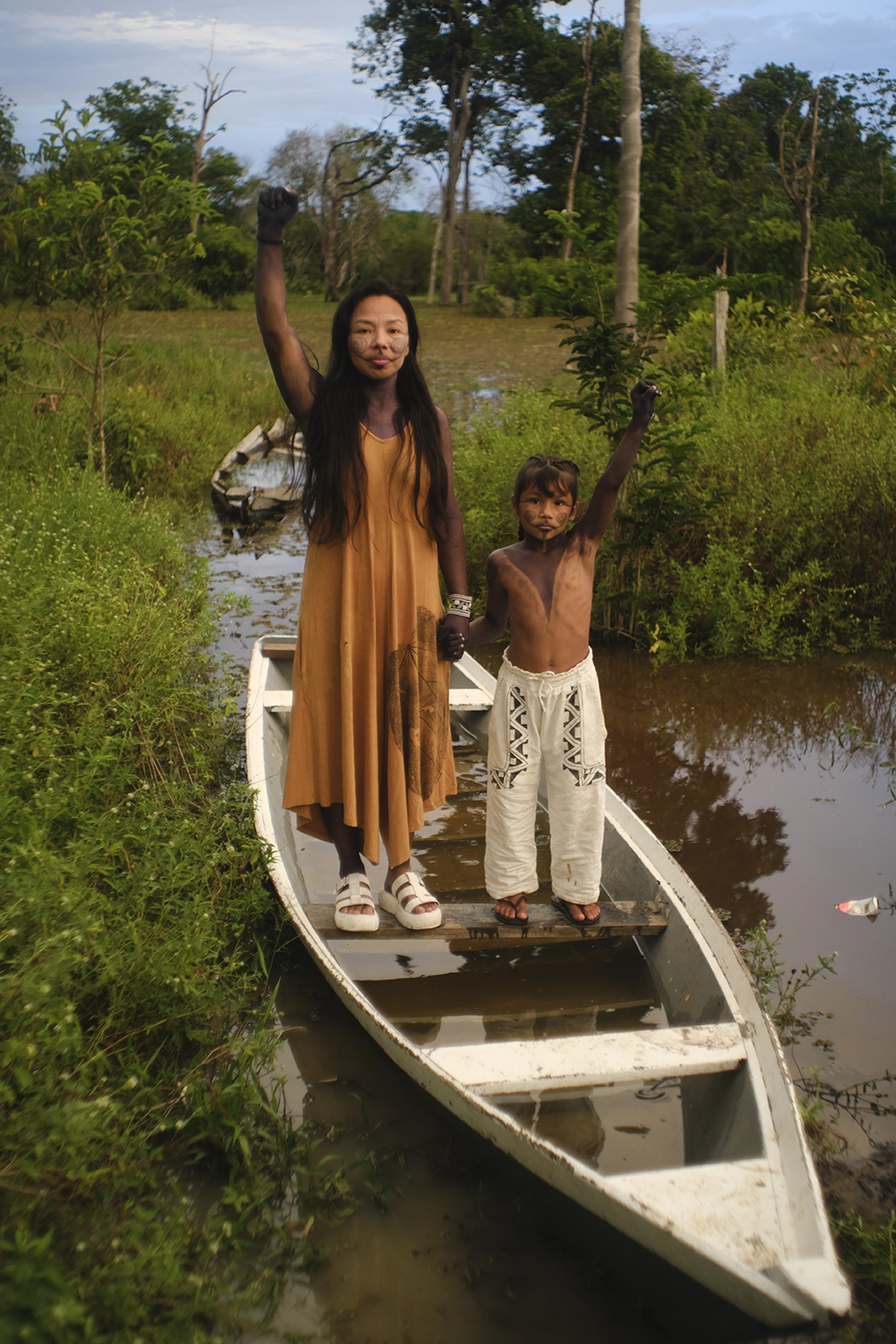
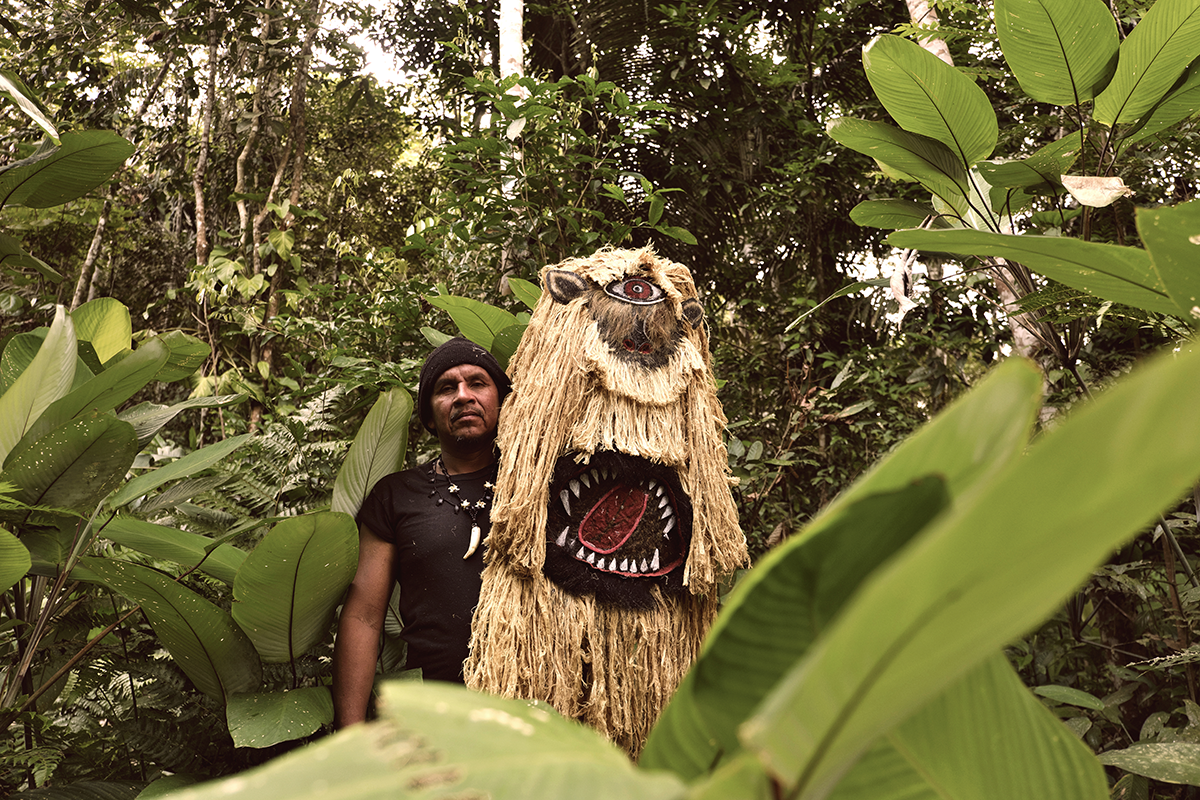
We stopped to meet the protagonists: an Indigenous rights activist near Manaus; a floating community led by a teacher; an elderly couple of fishermen on the Rio Negro, united by a tender love; and a Tikuna community in the Alto Solimões, where older spiritualities persist—fading yet returning like a dream.
We hope “I Am Amazon” opens a space for the audience to follow a journey along the river, observed without sensationalism and close to its intimate realities.
credits: @inesbonhorst @yuri.pirondi @the_makkina @sarinsaret