


An Original Travel Story by Rossella Frigerio
I come from a time when slow travel was the only way to travel. Airplane tickets were thin booklets of stapled carbon pages. Flights needed to be reconfirmed with a phone call. Hotels were recommended by your travel agent or discovered in trusted guides. Travel was necessarily slow, because every step that brought you from A to B involved a human, a conversation, paper, reading, time, patience. Then came digitalization, no-frills airlines, and mass tourism. Distances became shorter, corners were cut, and everything sped up. Slow travel was out. Or so it seemed.
Look closely enough at the global travel industry today, and you will realise that it is looking back over its shoulder for inspiration on how to move forward. The statistics are clear – travellers are craving experiences that are “less frenetic and more rooted in territory,” and they’re prepared to take their time getting there. Slow cruising has gained significant momentum, while rail travel is witnessing a renaissance, with increasing demand for this centuries-old way of travel reported everywhere from the Americas to Asia.
“In work as in life as in travel, remember once again what it means to be a human.”
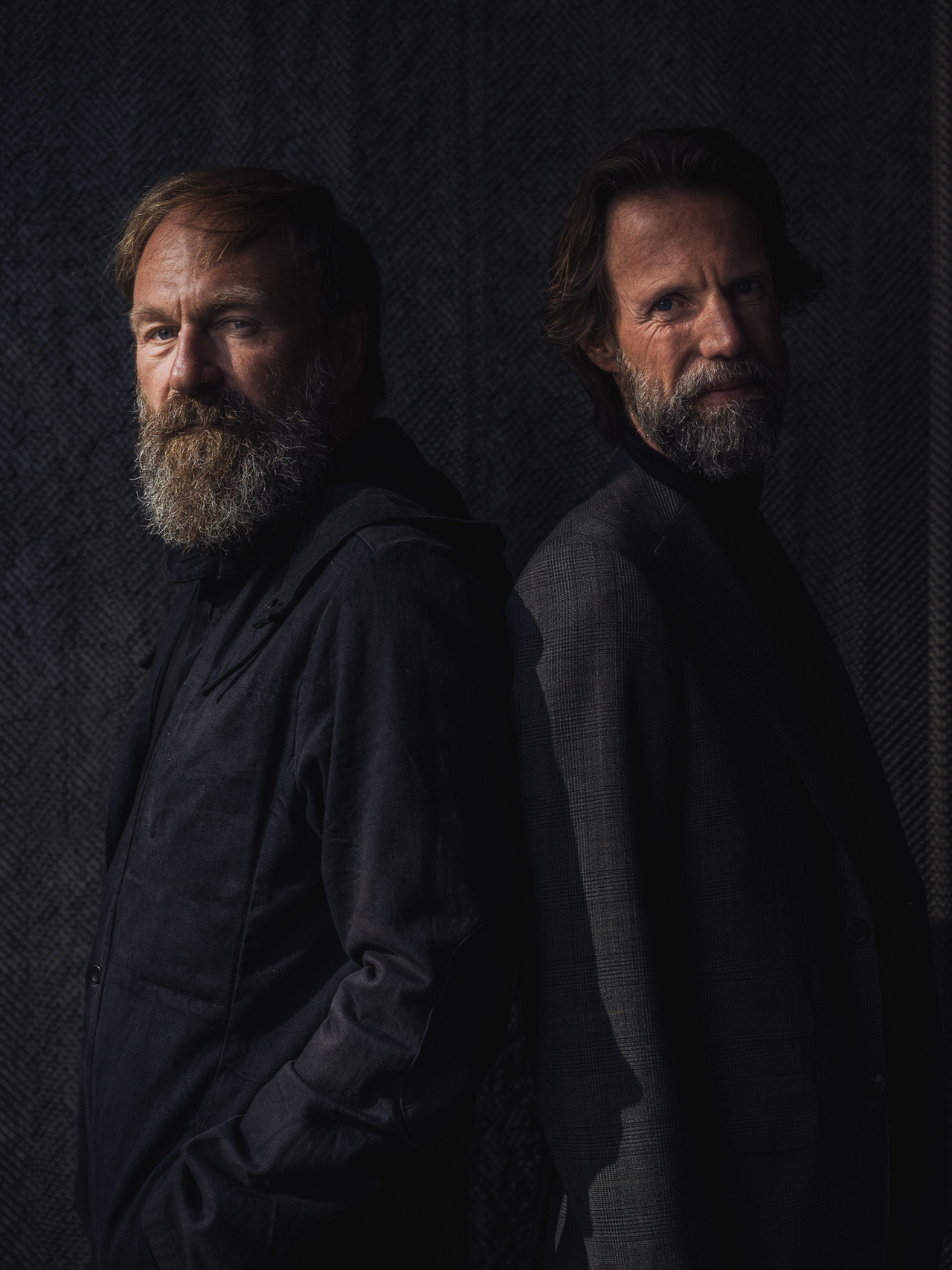
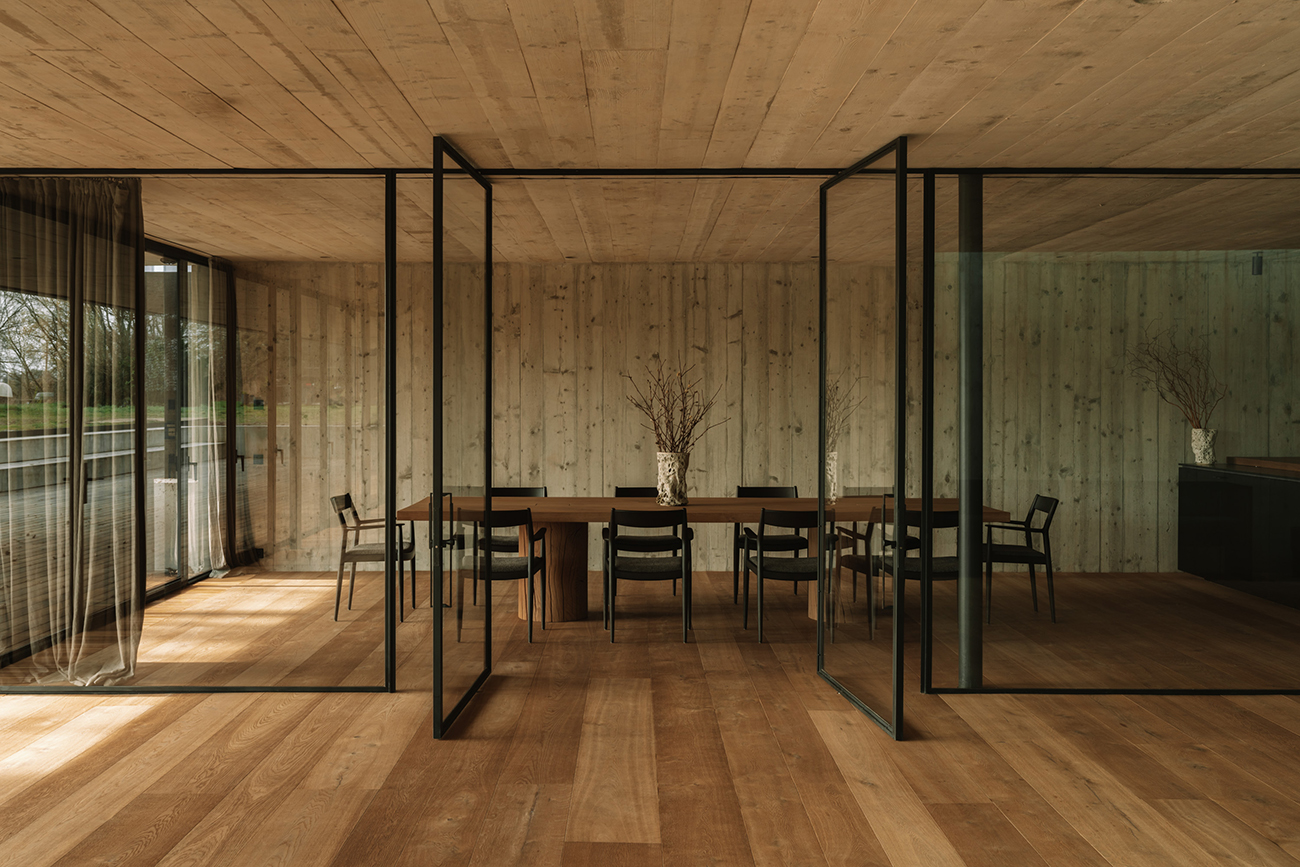
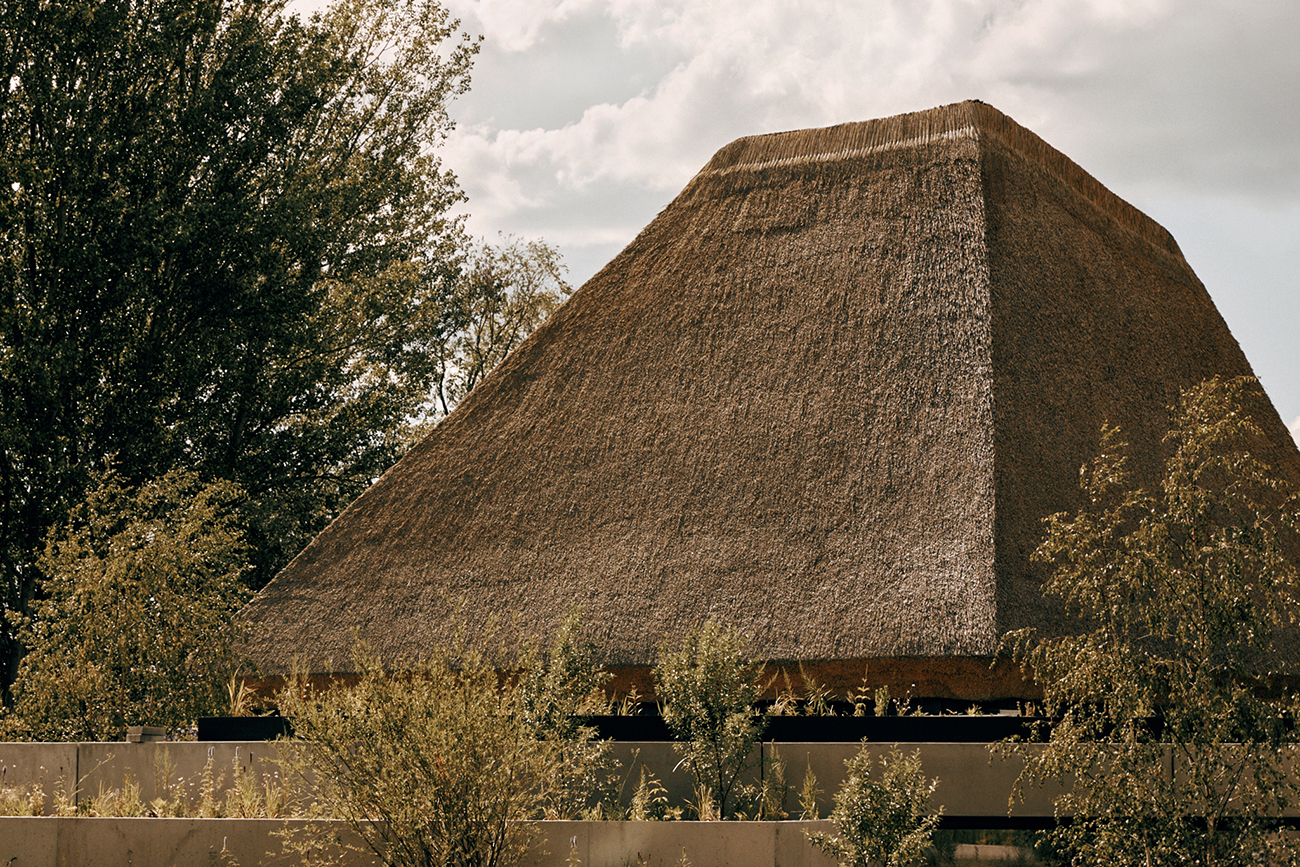
Travellers are not only changing how they travel – their behaviour is also shifting the contours of hospitality, drawing intention and connection back into the hosting fold. Spearheading this evolution is visionary Claus Sendlinger, who, since 2016, has been patiently threading together the Slowness movement alongside co-founder Peter Conrads. Rooted in the Flussbad campus on the fringes of Berlin, they are building an ecosystem that quietly reframes how we come together and host each other. Radiating outwards from the campus’s thatched-roofed secular temple designed by Austrian architect Monika Gogl, Slowness connects the cabins of Slow Wonder in Thailand, the craft bakery Sofi in Berlin, and a regenerative farm and growing community in Portugal together. With Flussbad set to gradually expand to include working lofts, a library, a restaurant, and hotel rooms, the entire movement embodies one distinct message: in work as in life as in travel, remember once again what it means to be a human.
Claus and Peter are not alone in recalibrating hospitality to a human scale. In Morocco, design pioneer turned hotelier Filippa Knutsson has brought her distinct philosophy to the village of Sidi Kaouki to open Villa Laba.
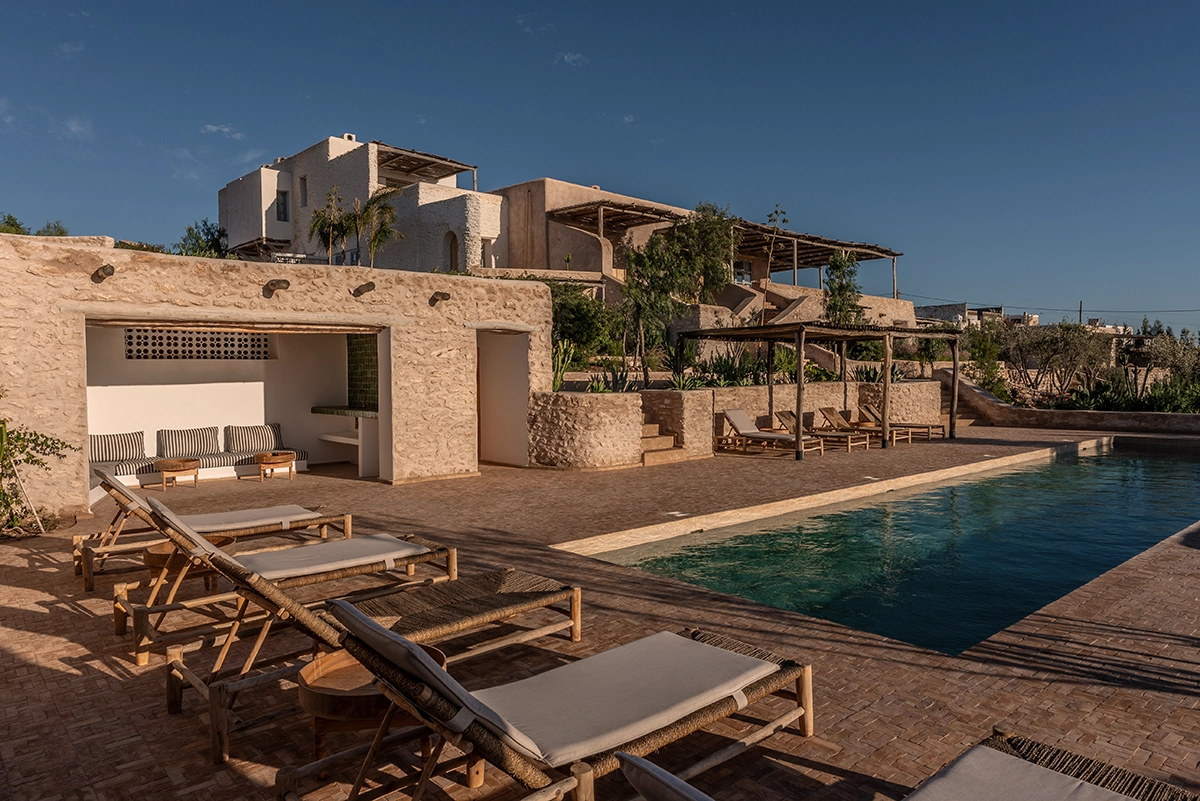
Created with her partner and architect Thomas Fourtané, the nine-key hotel is an invitation to savour gentle living and to return to self. When dusk falls, the rooms and spaces become aglow with the flicker of candlelight and lanterns. The electricity connection is purposefully limited, as is WiFi, which is accessible only in the library. “I’m interested in getting to the core, to the heart, to the truth of something – whether it be design, an experience or human interaction,” Filippa shares. “That’s why I’m drawn to simplicity as an expression – which is quite hard to achieve if it’s not genuine. I strongly believe in human relationships, they are at the heart of both business and life.”
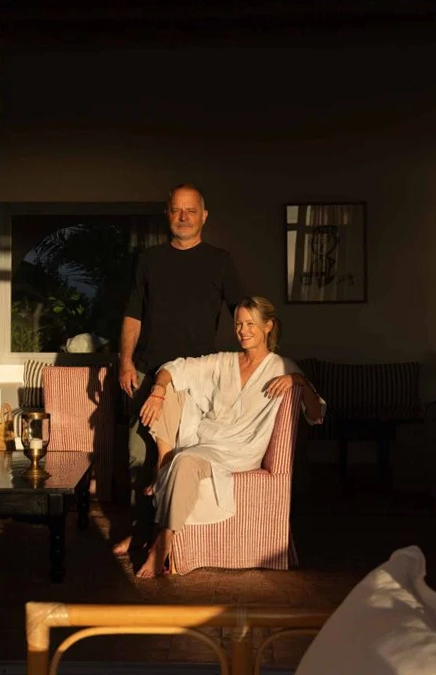
“I’m interested in getting to the core, to the heart, to the truth of something – whether it be design, an experience or human interaction.”
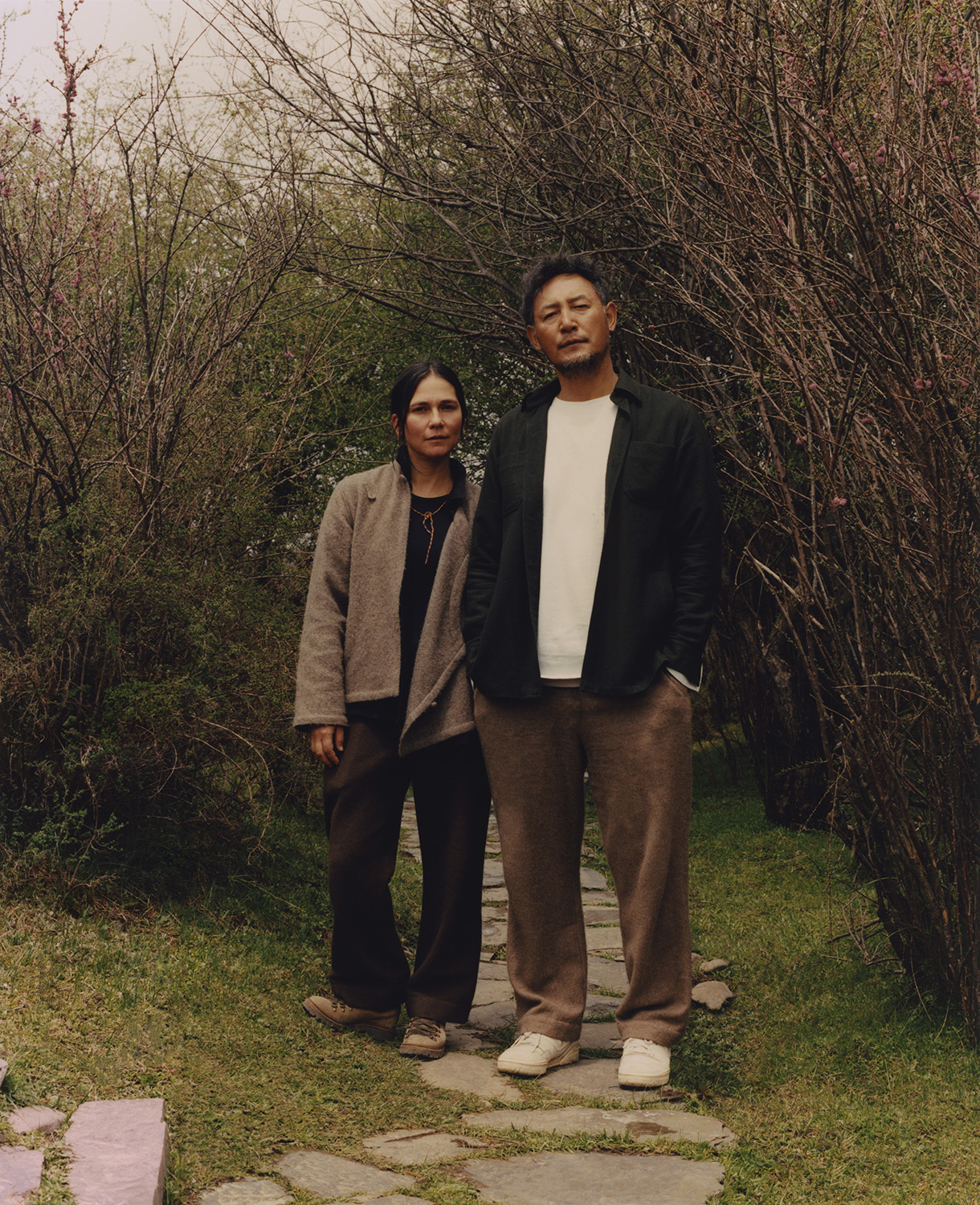
Further afield, high above in the Tibetan Plateau, Yidam Kyap has transformed this same gentle reverence for human connection and nature into Norden, a nine-cabin retreat that offers secluded privacy and pared-back design details. Each wood-clad cabin has been built with raw materials sourced from the plateau, offering space for quiet contemplation and soul-stirring views of the surrounding Sangke grasslands. Guests are invited to realign with the gentle rhythms of nature, slowing down to immerse themselves in the unique rituals that connect the land to its people. A private bath house and an intimate space for meditation, yoga, and connection complete Norden’s restorative offerings.
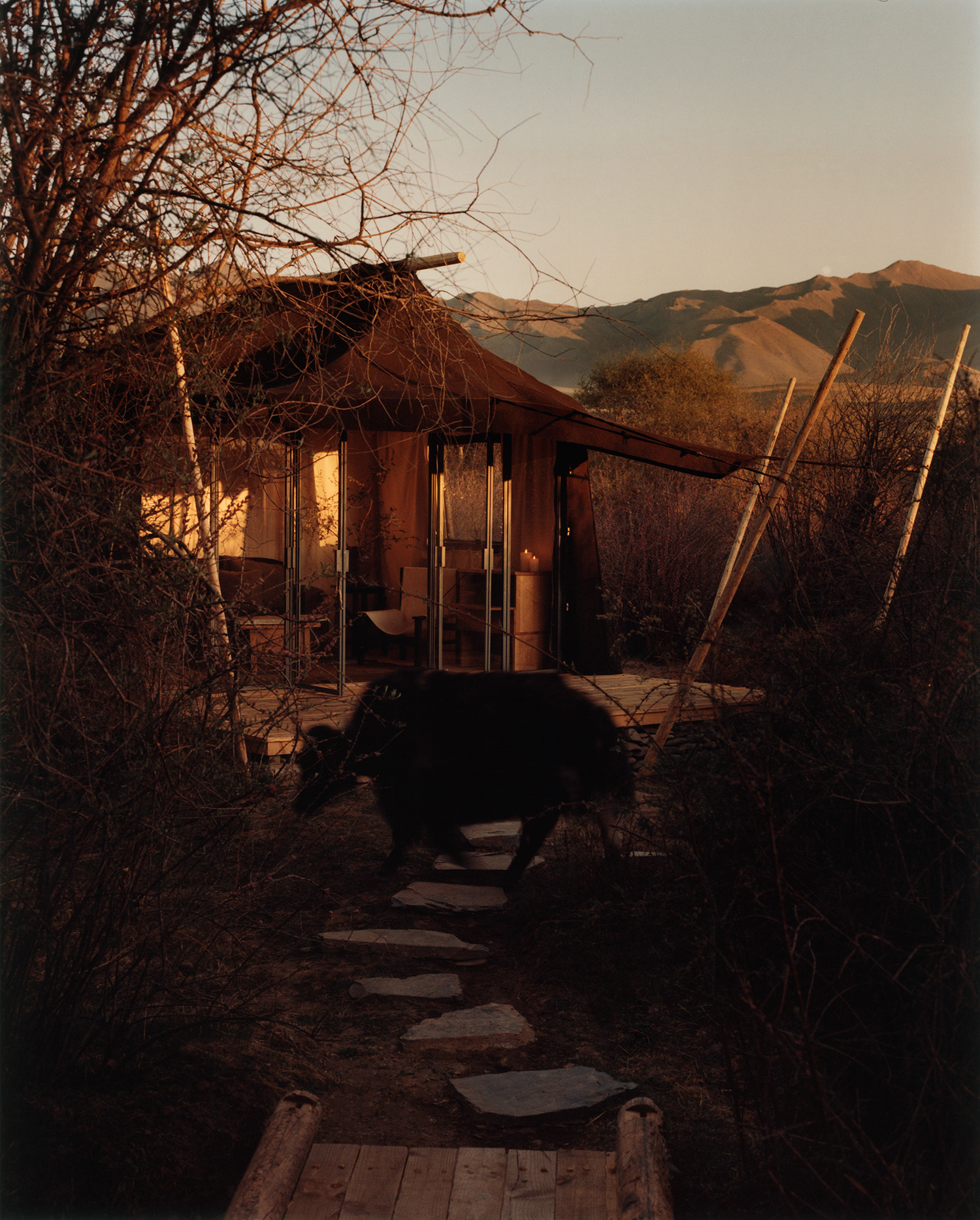
“Guests are invited to realign with the gentle rhythms of nature.”
Amidst these gradual changes towards a more meaningful way of exploring our world, an important question ultimately emerges – why are we returning to slow travel? Is it because we have come to realise that the opposite is unhealthy, both for ourselves and our planet? Is it because we are tired of this fast-paced, frenetic life that leaves almost no time to deeply feel? Or is it because we’re craving meaning and substance? Perhaps the answer lies in all of these – what is certain is that slow travel is here to stay.
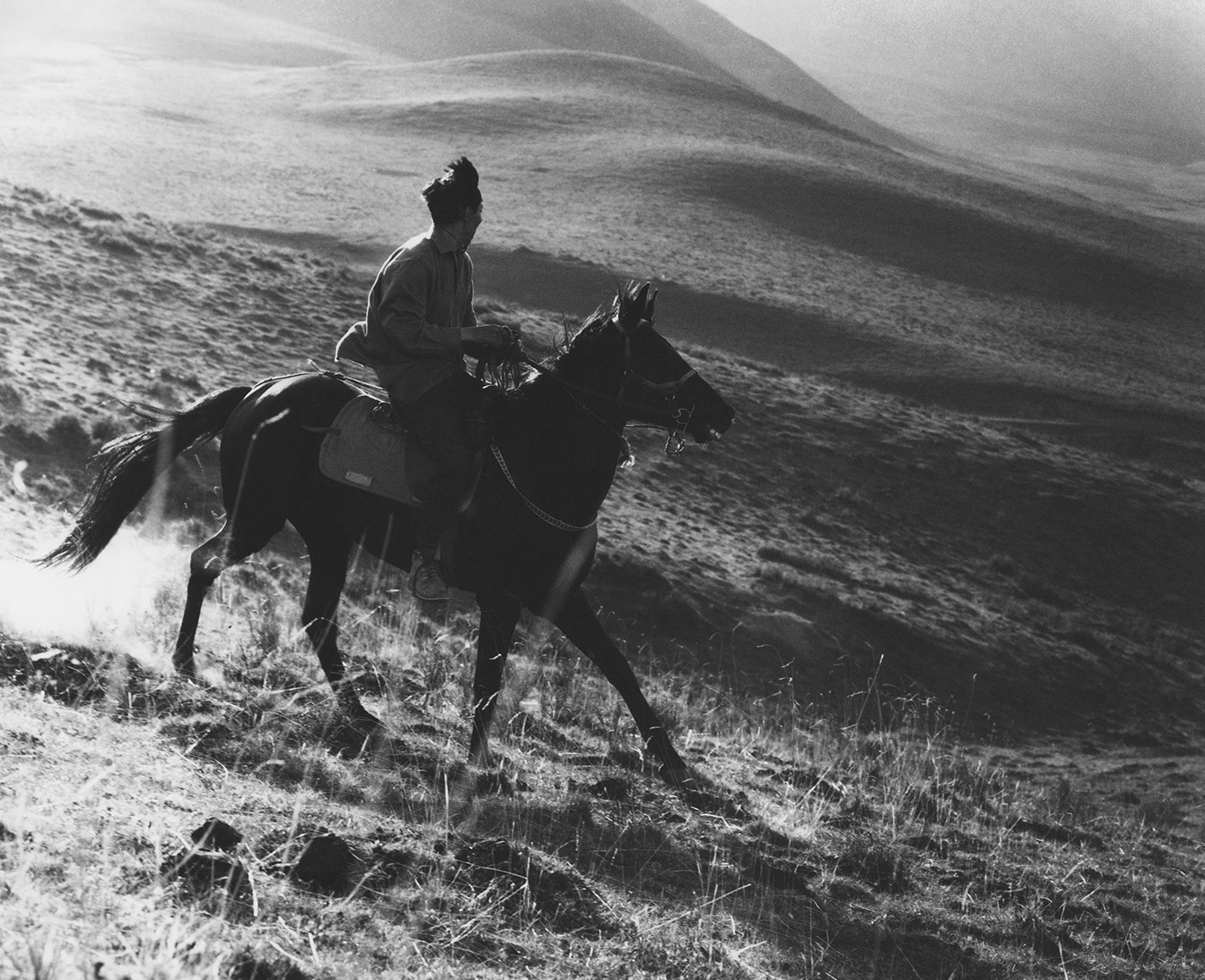
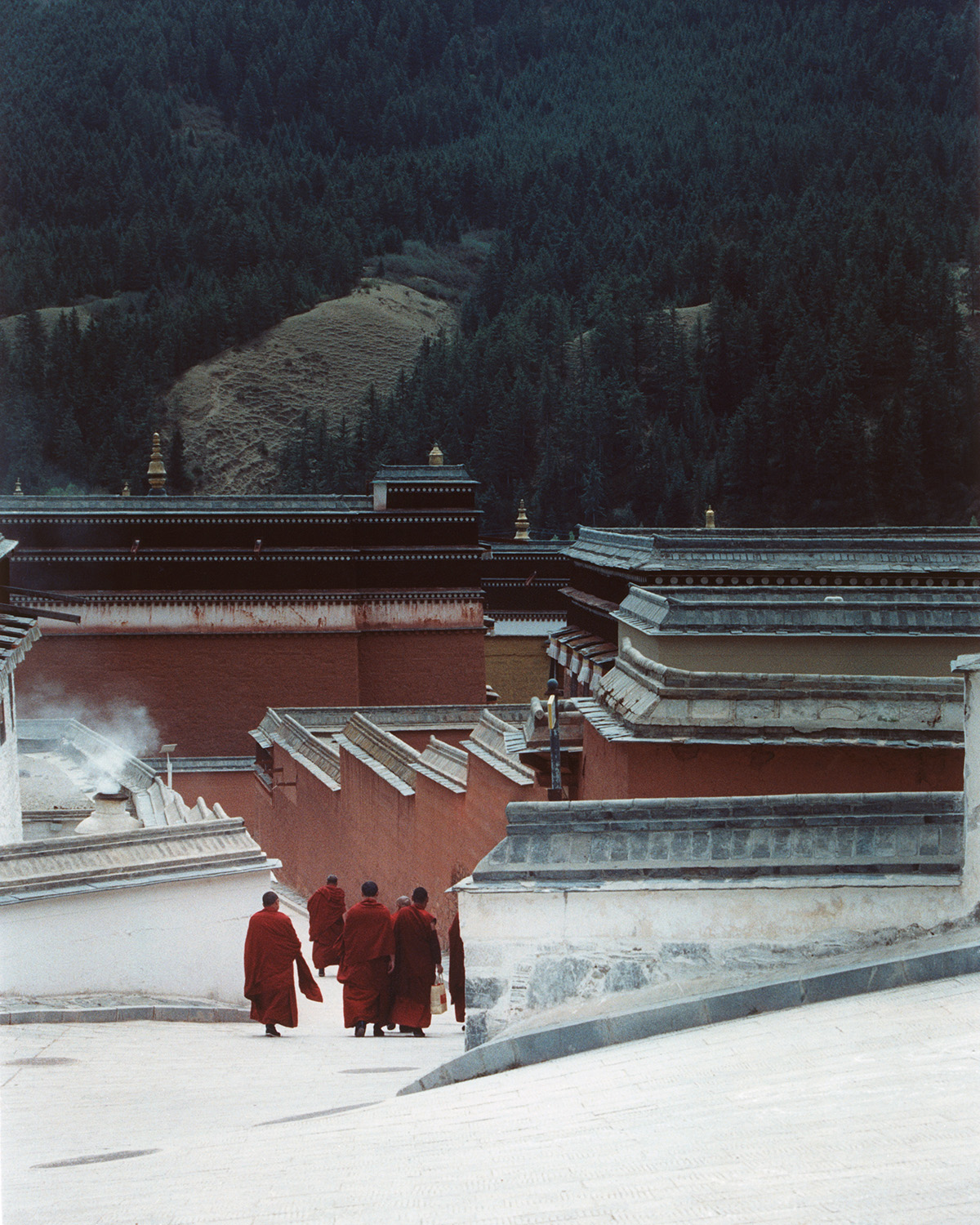
“Amidst these gradual changes towards a more meaningful way of exploring our world, an important question ultimately emerges – why are we returning to slow travel?”
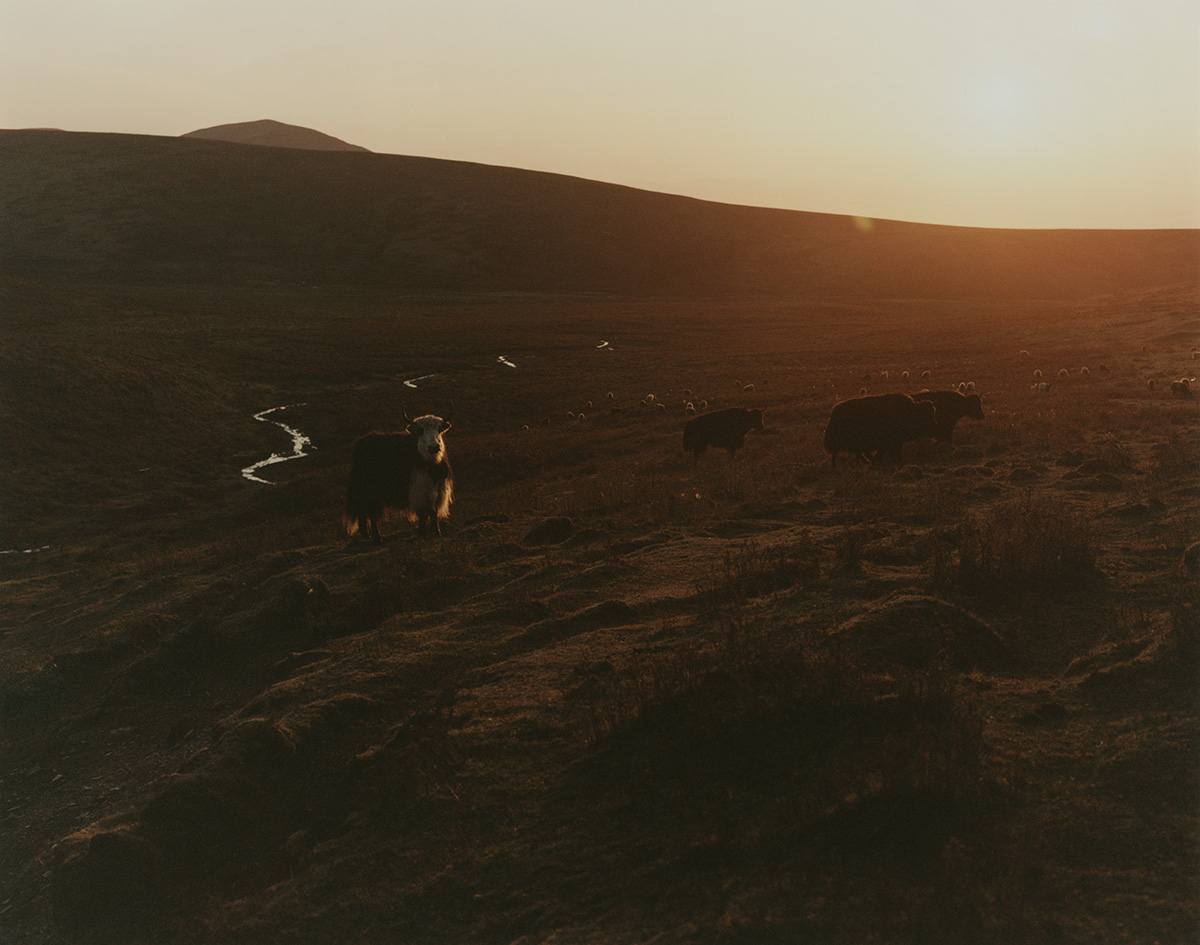
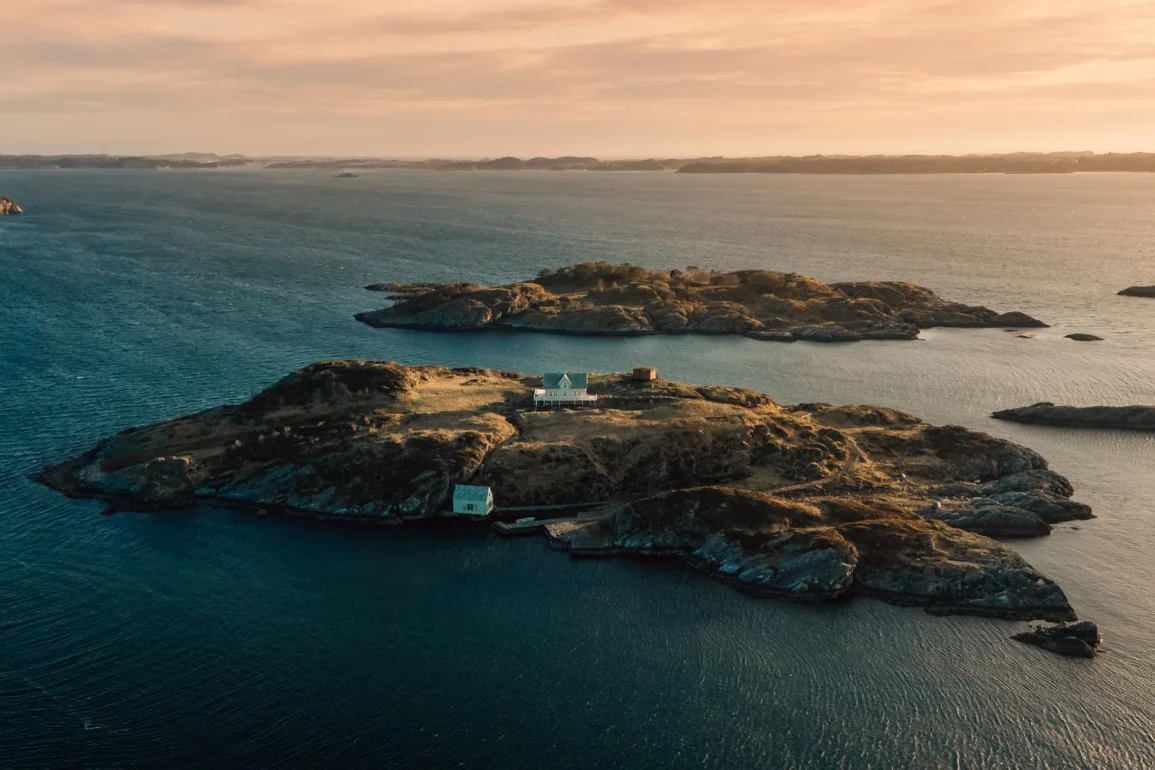
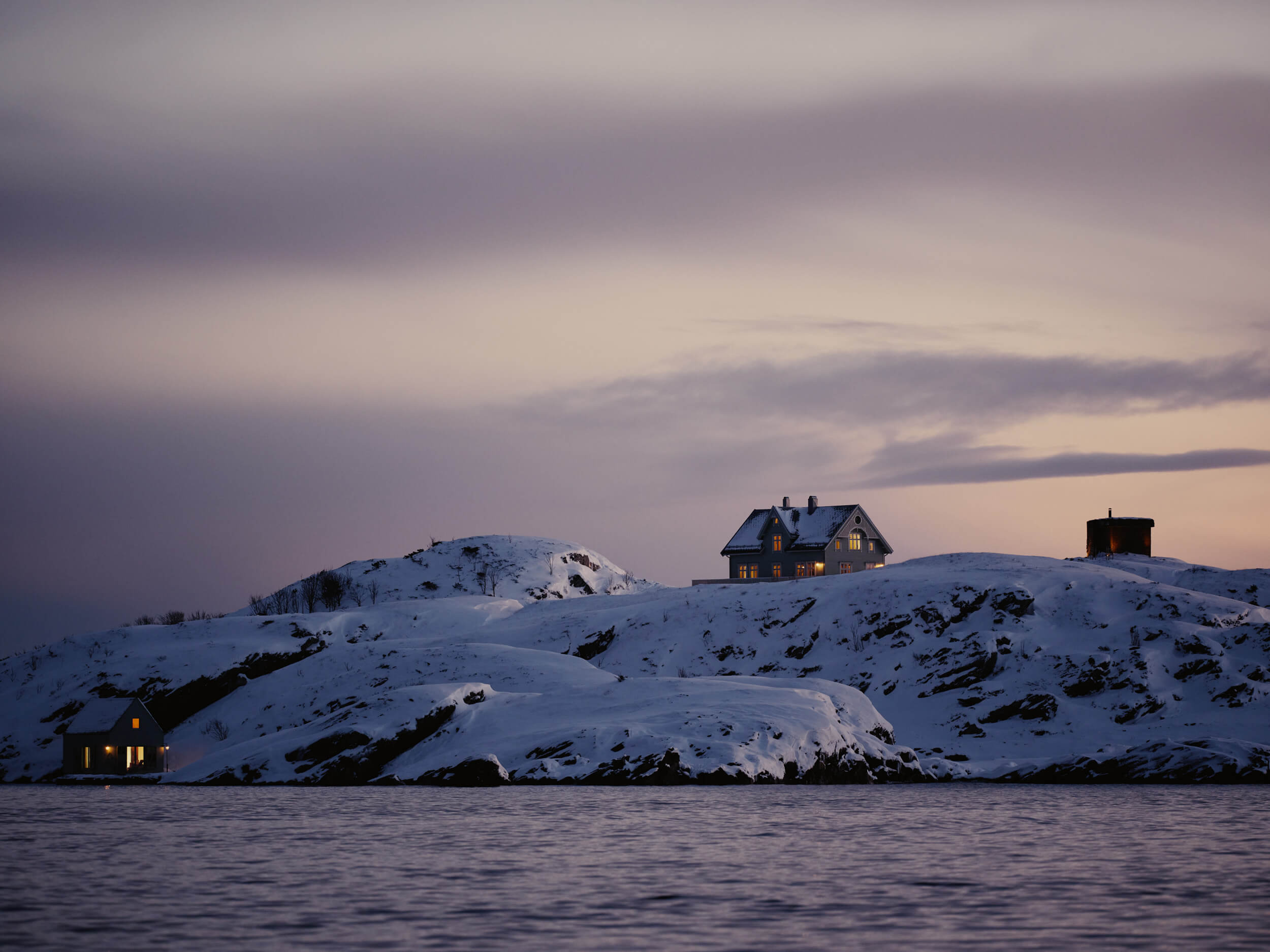
Credits: Slowness, Flussbad, Norden Camp, Villa Laba, Lilloey – TheLindberg
Ph: Björn Ceder, Jose Cuevas, Clemens Poloczek, Victor Rakosnik
An Original Travel Story by Rossella Frigerio