




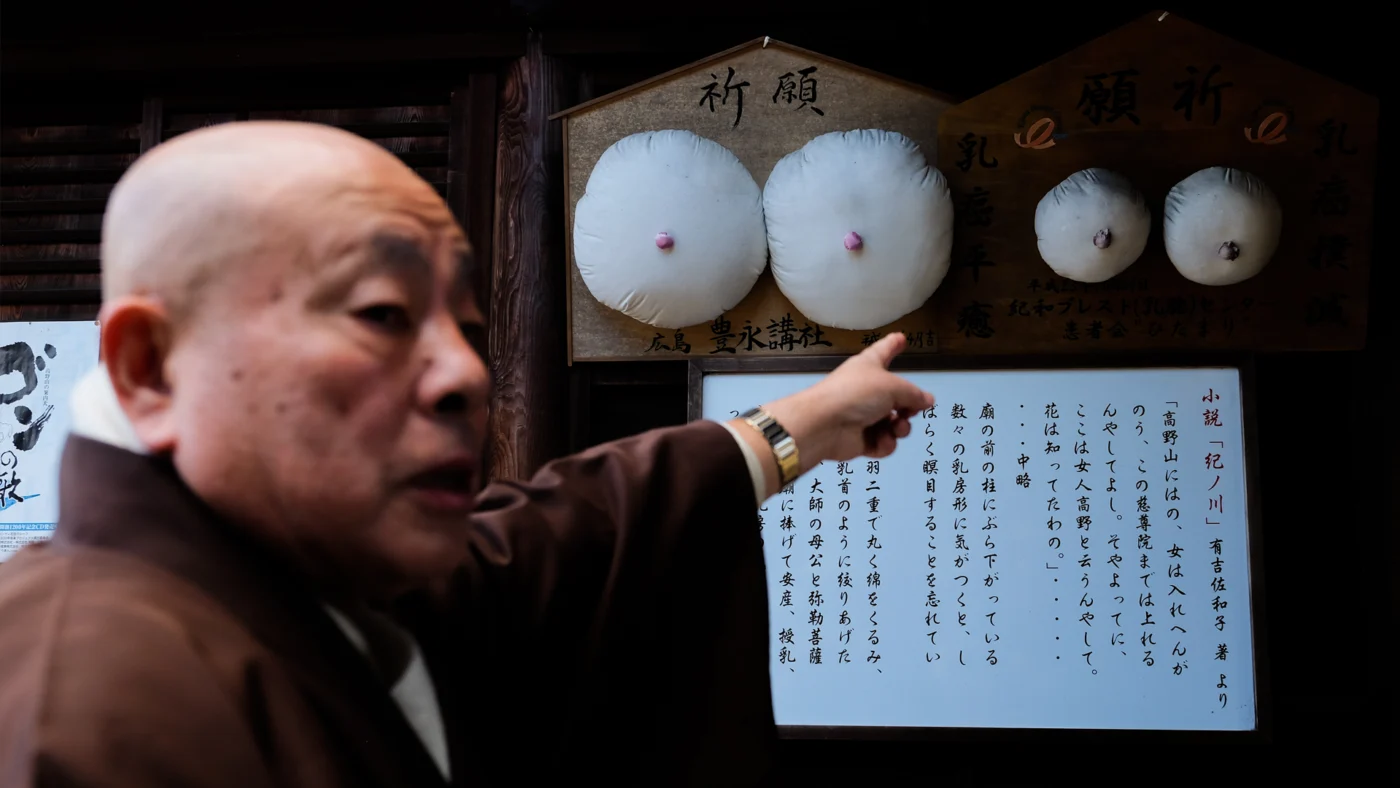
The holy place where the spiritual and physical realms meet, welcoming everyone equally.
A story by Lance Henderstein.
TravellingTwo: You’ve spent nearly 50 years traveling by bicycle. Has the way you Wakayama lies on the southern edge of the Kii peninsula a little over two hours from Japan’s second largest city, Osaka. Known for the UNESCO World Heritage site, Kumano Kodo, a forested mountain pathway that connects the Kumano Sanzan, three grand temples, the prefecture has provided pilgrims with a literal path to enlightenment for over a thousand years.
It’s home to Koya-san, one of Japan’s most hallowed mountains, chosen 120 years ago by Kobo Daishi aka Kukai, who built his dojo to facilitate the practice of Esoteric Buddhism in nature and peace.
There is a physical and spiritual significance to this region. The landscape is filled with forested mountains bisected by coursing rivers like the Kumano, Arida and Kitayama. It’s home to many other revered Buddhist temples, relaxing hot springs, and hundreds of miles of scenic coastline.
There’s a dizzying amount of beauty to take in, but despite the scale of the natural offering, the atmosphere of Wakayama never overwhelms and the pace remains as calm and welcoming as the people who live there, a vibe I felt from my first time visiting.
I’ve lived in Tokyo most of my adult life. It’s a stimulating, kinetic metropolis that couldn’t be more different from Wakayama. I first visited on assignment covering the makers of binchotan, a traditional wood-derived charcoal preferred by chefs, limited in supply, and still made in the traditional way from local trees. From that first experience, I was drawn in by the casual, approachable manner of the people — I kept coming back.
For 3 years, I made repeated trips there to photograph the local culture:
I photographed Oto Matsuri, an ancient fire festival in which young men burst forth from the temple gates to bound down a harrowing rocky stairway in the darkness, carrying only burning torches to light their way.
Then to Yuasa, a small town renowned for producing shoyu (soy sauce) in the traditional way, where a brewer said words that stayed with me:
“Culture takes three generations to create — and just one to lose.”
I requested access to Chiben Wakayama high school, where I followed a young baseball team on their quest to reach and win the national tournament known as Koshien. A tournament they are perennially favored to qualify for and always a threat to win.
The photos I’ve made in Wakayama seem imbued with a haunting magical realism, evoking the spirituality of the place. It’s particular and doesn’t happen everywhere. And each of these images were made possible by the local people who welcomed a stranger to participate in their daily lives.
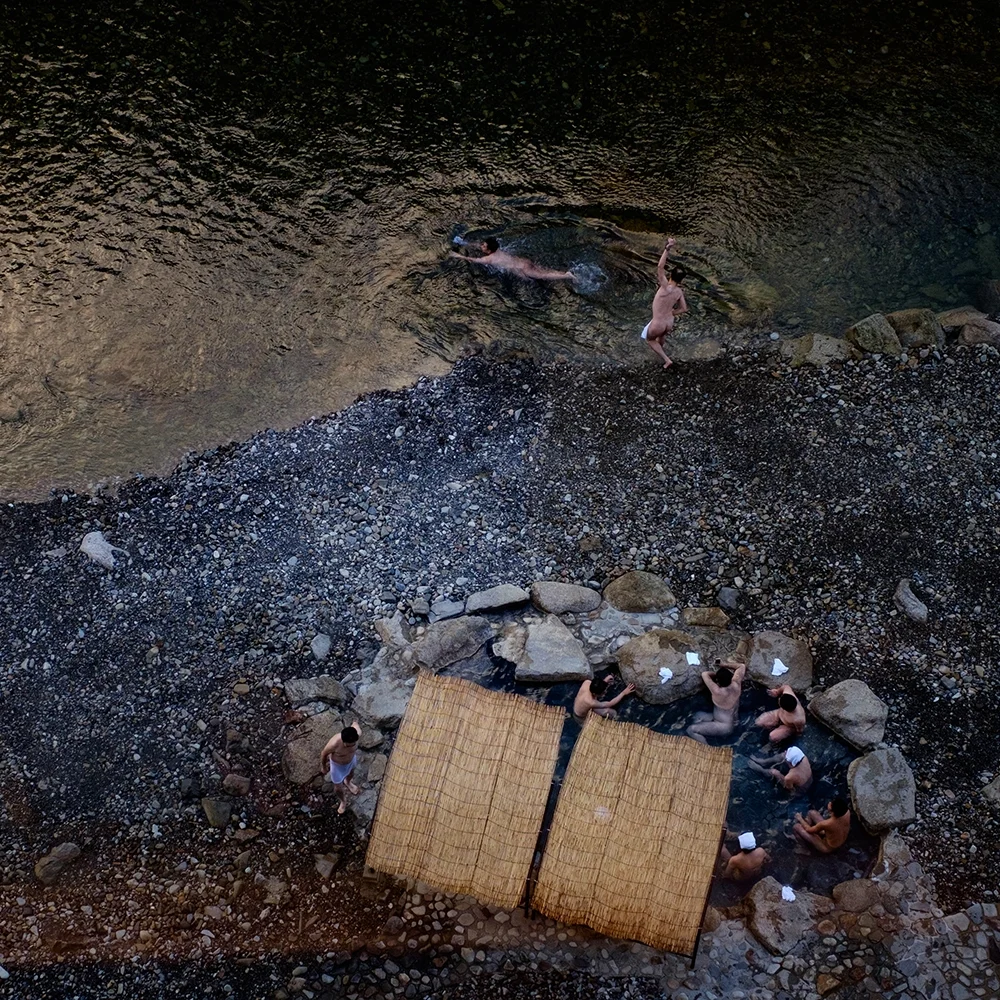
On one occasion, I was gazing down from my room in Kawayu onsen. I saw a group of male bathers splayed out inside the stone border of their riverside bath, their towels strewn about them like daubs of white paint.
As I watched and waited, camera in hand, one of the men pulled himself out of the small pool and sprinted, naked and joyous, into the frigid river, his friends laughing and cheering him on before following his lead.
“That image embodies the natural-born freedom we so often neglect in our modern lives and overly-curated travels chosen more for social media than for ourselves.”
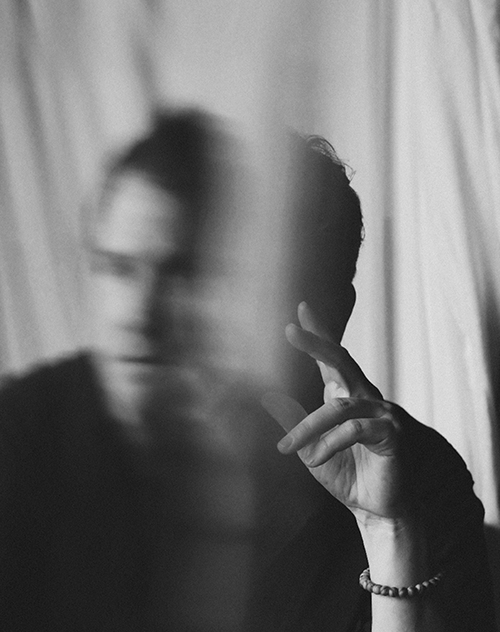
“Wakayama offers visitors a place of quiet rebirth.”
Lance Henderstein
Wakayama offers visitors a place of quiet rebirth. And there is no limit to the times we can be born again.
I plan to keep returning to this corner of Japan to refresh myself both creatively and spiritually, and to commune with the gentle, down-to-earth people who live there. I hope these words and images inspire others to do the same.
credits: @lancestein